Highlights Of The Program
2 days business program:
Learn from real-world case studies by industry leaders.
SHOWCASING INNOVATION:
Discover the latest technology and techniques from across the industry.
leaders talk:
Hear from top-level experts about how to stay ahead in a fast-changing industry.
MULTIPLE STREAMS:
A business program that is multi-disciplinary, giving you a broad view of the industry.
SMART TECHNOLOGIES:
Explore the latest smart and AI-driven solutions, and see how they can be used in your business.
roundtable discussion:
Join talks with industry peers. Share ideas, make connections, and find new partners.
Program 2026
DAY 1 :
WEDNESDAY, 21 OCTOBER, 2026
08:00 - 08:50
REGISTRATION AND MORNING REFRESHMENTS
08:50 - 09:00
OPENING ADDRESS
09:00 - 09:25
FROM REACTIVE TO PREDICTIVE MAINTENANCE IN WATER UTILITIES USING AI AND DATA INSIGHTS
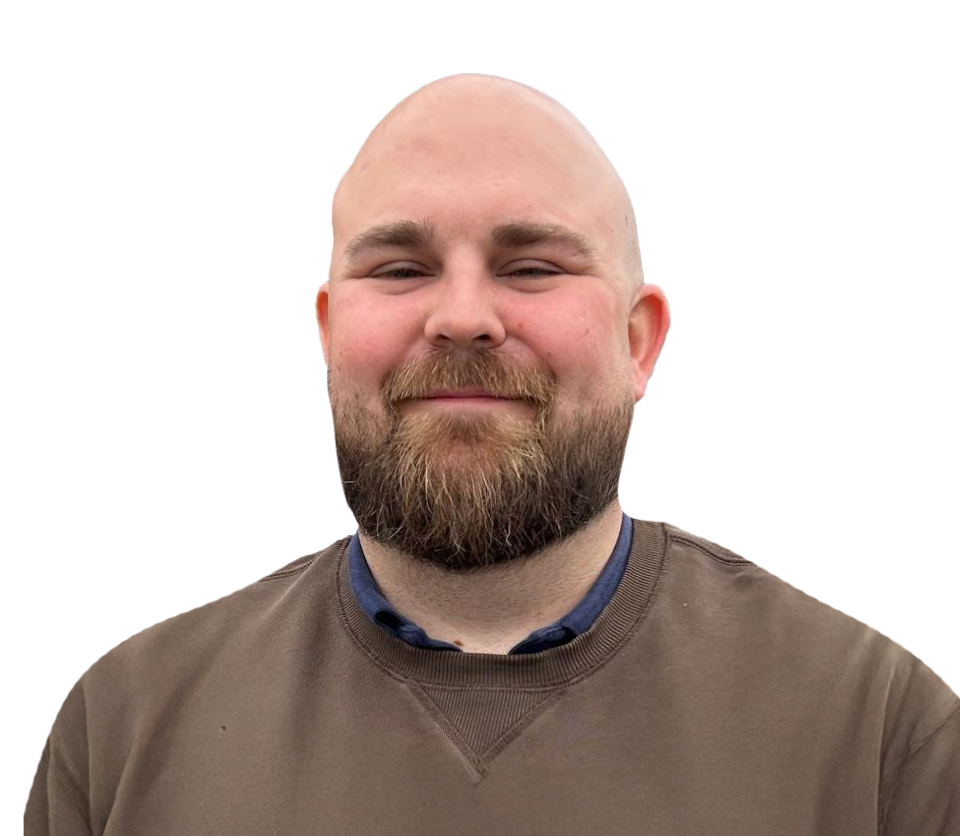

Patrik Forsberg
Alingsås kommun
- Transitioning from reactive to predictive maintenance in utilities using AI and data-driven operations
- Applying AI-based pump health analytics to detect failures, degradation patterns, and data anomalies early
- Emphasising organisational change and workforce adaptation as key enablers beyond technology adoption
09:25 - 09:30
Q&A SESSION ON SHIFTING FROM REACTIVE TO PREDICTIVE MAINTENANCE IN WATER UTILITIES
09:30 - 09:55
CARBOCYCLE AND CYCLOPE INTENSIFIED ACTIVATED CARBON SOLUTIONS FOR PFAS AND MICROPOLLUTANTS

Christophe Mechouk
Sources
- Addressing emerging contaminant challenges under tightening European drinking water regulations
- Applying activated carbon design principles to improve adsorption efficiency and operational robustness
- Positioning Carbocycle and Cyclope for effective PFAS and micropollutant removal in drinking water
09:55 - 10:00
Q&A SESSION ON ACTIVATED CARBON SOLUTIONS FOR PFAS AND MICROPOLLUTANT CONTROL IN DRINKING WATER
10:00 - 10:30
SPEED NETWORKING SESSION
- Exchange business cards and get connected in short one-to-one meetings
- Start the conversation to arrange a more formal meeting later on in the conference
- Share your professional background and discuss your biggest business issues – don't forget your business cards!
10:30 - 11:00
MORNING COFFEE BREAK IN THE EXHIBIT AREA
11:00 - 11:30
PANEL DISCUSSION: FROM REGULATION TO IMPLEMENTATION: BRIDGING THE GAP BETWEEN EU POLICY AND OPERATIONAL REALITY
11:30 - 11:55
DEVELOPMENTS IN ENVIRONMENTALLY POSITIVE WASTEWATER TREATMENT TECHNOLOGY


Harry Cowan
Indigo Water
- Surveying current wastewater treatment technologies and the environmental pressures demanding change
- Evaluating alternative technologies, including nature-based coagulants, and barriers to wider adoption
- Addressing post-treatment waste and the cost and environmental trade-offs of adopting greener systems
11:55 - 12:00
Q&A SESSION ON GREENER APPROACHES TO WASTEWATER TREATMENT AND WASTE MANAGEMENT
12:00 - 12:25
NORIT ACTIVATED CARBON FOR MICROPOLLUTANT AND PFAS REMOVAL AND DESTRUCTION

Rob de Jonge
Norit
- Introducing activated carbon adsorption mechanisms for micropollutant and PFAS compliance
- Benchmarking NORIT activated carbon types across PFAS and micropollutant removal applications
- Demonstrating full PFAS destruction through thermal reactivation of spent activated carbon
12:25 - 12:30
Q&A SESSION ON ACTIVATED CARBON SOLUTIONS FOR MICROPOLLUTANT AND PFAS REMOVAL
12:30 - 13:30
NETWORKING LUNCH AND VISITING THE WATER TREATMENT EXHIBITION
13:30 - 14:00
PANEL DISCUSSION ON FINANCING THE WATER INFRASTRUCTURE: NAVIGATING EU FUNDING, PPPS, AND COST RECOVERY
14:00 - 14:25
WATER REUSE AS THE FOURTH STAGE OF WASTEWATER TREATMENT: INSIGHTS FROM ECREUSE
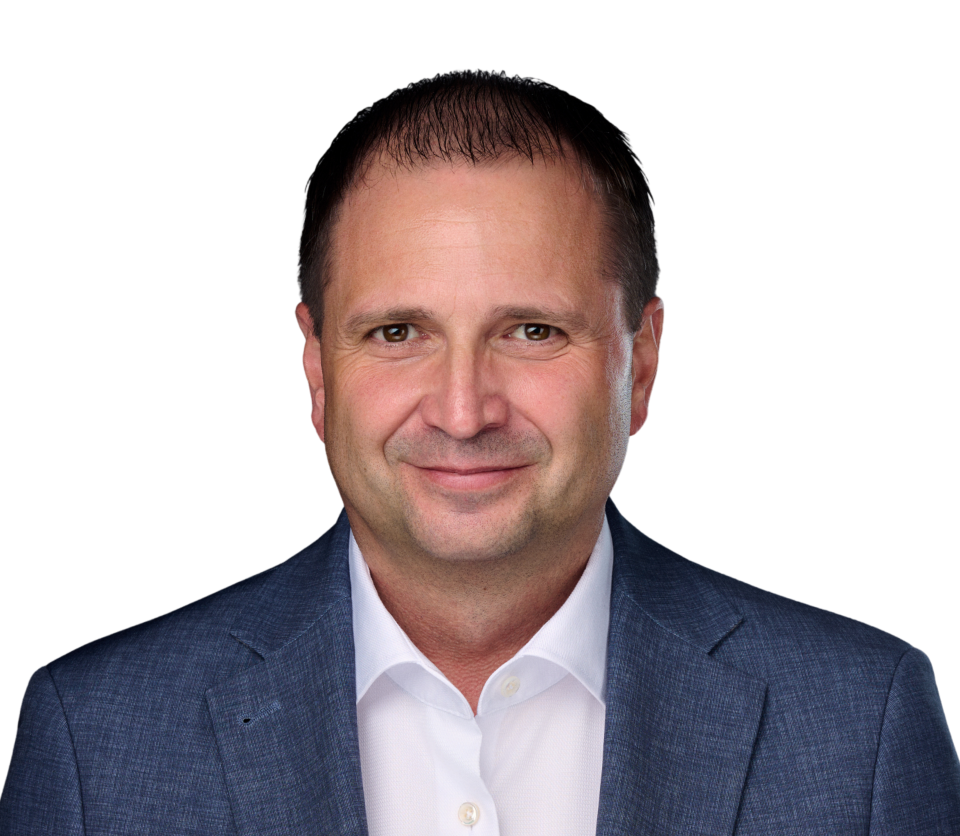

Andreas Bichler
Dehoust GmbH
- Extending conventional treatment plants with reuse polishing stages to create new water resources
- Capturing operational performance and scalability lessons from the ecReUse project in South Africa
- Positioning water reuse as a strategic response to drought risk, infrastructure stress, and rising demand
14:25 - 14:30
Q&A SESSION ON WATER REUSE AS AN EXTENSION OF CONVENTIONAL TREATMENT
14:30 - 14:55
INNOVATIVE ANTIFOULING MEMBRANES FOR WATER PROCESSING AND INDUSTRIAL SEPARATIONS

Simone Arizzi
WembraneX
- Tackling the pervasive operational costs of membrane fouling across municipal and industrial water applications
- Tailoring the novel membrane microstructure to specific water treatment and separation challenges
- Validating antifouling membrane performance in MBR systems with measurable operating cost reductions
14:55 - 15:00
Q&A SESSION ON ANTIFOULING MEMBRANE TECHNOLOGY FOR WATER TREATMENT
15:00 - 15:20
AFTERNOON COFFEE BREAK IN THE EXHIBIT AREA
15:20 - 15:45
ELECTROTATE™: ELECTROCHEMICAL DESTRUCTION OF PFAS IN COMPLEX INDUSTRIAL EFFLUENTS

Bruno Cedat
Treewater
- Pinpointing energy, mass transfer, and fouling improvements from rotating-electrode reactor design
- Distinguishing C-F bond cleavage as genuine PFAS destruction from phase transfer and concentration methods
- Contextualising EU PFAS compliance pathways and the complementary role of electrochemical destruction with GAC
15:45 - 15:50
Q&A SESSION ON ELECTROCHEMICAL PFAS ELIMINATION IN INDUSTRIAL WASTEWATER
15:50 - 16:15
PFAS ABATEMENT – SEARCH, CAPTURE, AND DESTROY
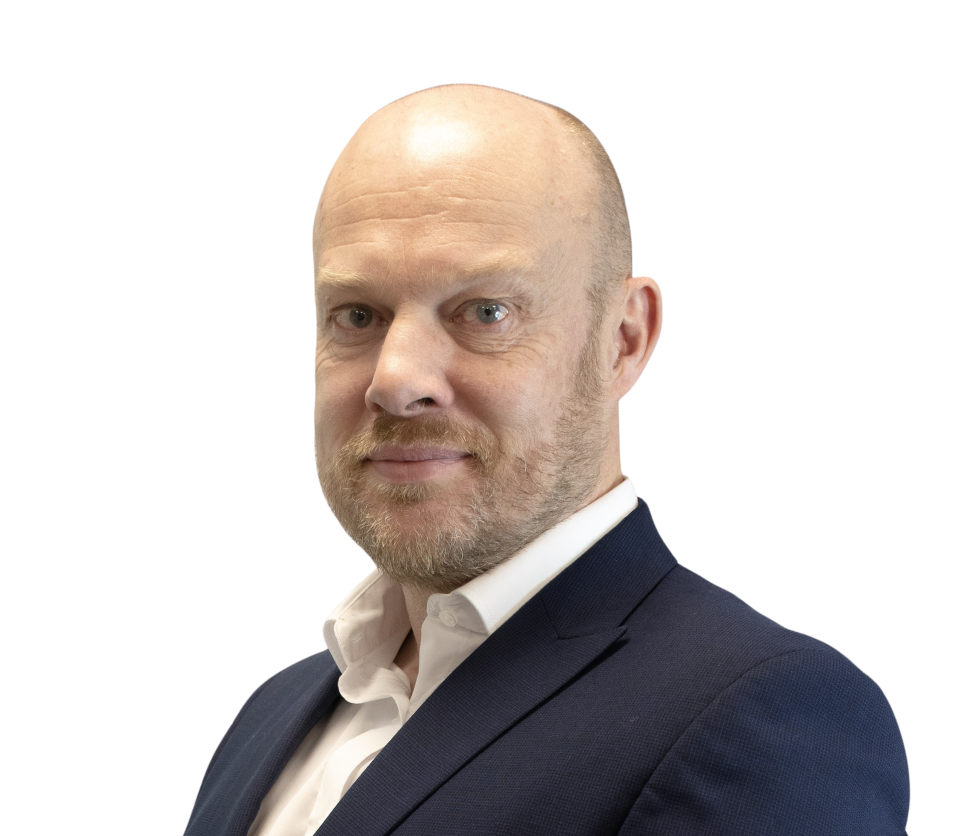

David Reay
Puragen
- Applying advanced laboratory techniques to identify and characterise specific PFAS compounds in water
- Profiling surface-modified GAC as a superior adsorbent for PFAS removal across a range of water matrices
- Detailing advanced thermal reactivation that simultaneously recycles spent GAC and destroys captured PFAS
16:15 - 16:20
Q&A SESSION ON PFAS ABATEMENT USING ADVANCED CARBON CAPTURE AND DESTRUCTION
16:20 - 16:45
MBR TREATMENT OF PIG SLURRY AND AD DIGESTATE WITH SUB-SURFACE IRRIGATION

Trevor Montgomery
Montgomery EHS Ltd
- Documenting the integrated dewatering, DAF, and MBR system handling 650 m³ of daily farm waste
- Redirecting treated MBR effluent into sub-surface irrigation to reduce tankering by over 95%
- Meeting Industrial Emissions Directive standards through precise nutrient and phosphate control
16:45 - 16:50
Q&A SESSION ON MBR TREATMENT FOR WATER REUSE AND NUTRIENT RECOVERY
16:50 - 17:15
REDUCING INFRASTRUCTURE STRESS: CHEMICAL-FREE SCALING AND CORROSION CONTROL
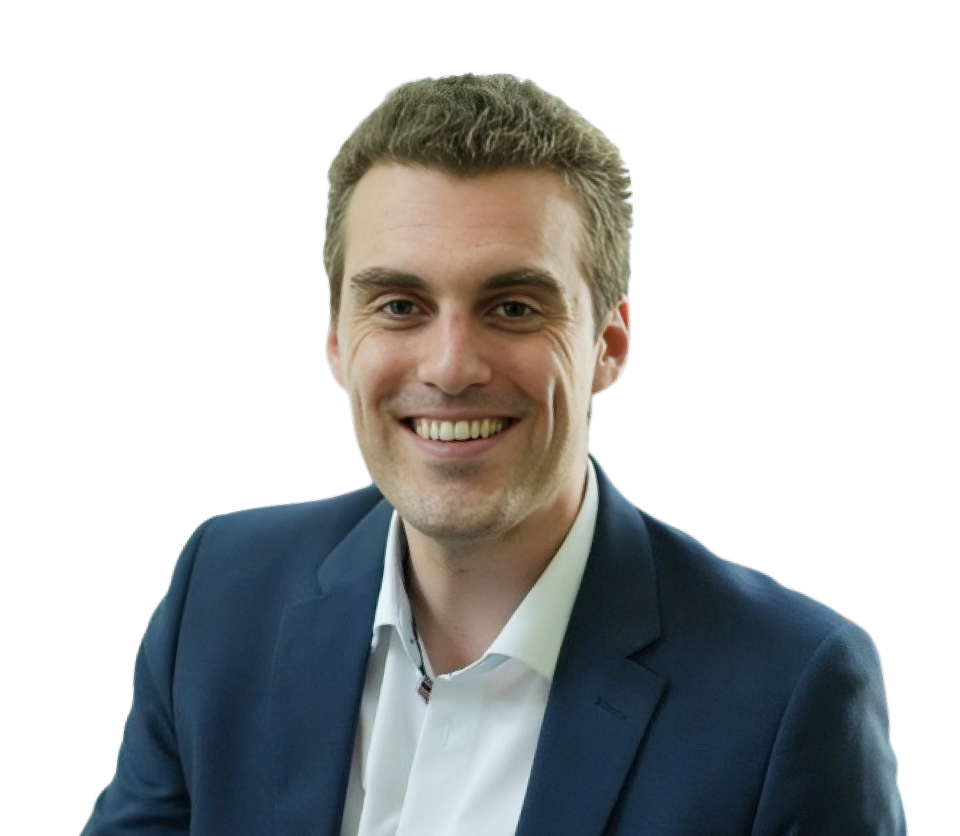

Oliver Flettner
ION Deutschland GmbH
- Quantifying the operational and energy savings from chemical-free scale management in water systems
- Assessing electrochemical limescale technology as a complement to existing water treatment processes
- Demonstrating how pipework stabilisation extends asset lifetime and reduces utility maintenance pressure
17:15 - 17:20
Q&A SESSION ON SCALING CONTROL AND WATER ASSET LONGEVITY
17:20 - 18:20
NETWORKING DRINKS RECEPTION
DAY 2 :
THURSDAY, 22 OCTOBER, 2026
08:00 - 08:30
MORNING REFRESHMENTS
08:30 - 08:40
OPENING ADDRESS
08:40 - 09:10
PANEL DISCUSSION ON DIGITALISING WATER TREATMENT: LEVERAGING AI, REAL-TIME MONITORING, AND SMART SYSTEMS
09:10 - 09:35
IMMOBILISATION OF PFAS IN GROUNDWATER AND SOIL USING NOVEL ADSORPTIVE MATERIALS

Jörg Rinklebe
Bergische Universität Wuppertal
- Comparing organoclay and colloidal activated carbon for PFAS immobilisation in groundwater flow systems
- Assessing performance under dynamic redox conditions and impacts on soil microbial community response
- Evaluating field applicability of advanced materials for long-term PFAS containment in soil and groundwater
09:35 - 09:40
Q&A SESSION ON NOVEL MATERIALS FOR PFAS IMMOBILISATION IN GROUNDWATER AND SOIL SYSTEMS
09:40 - 10:10
RESERVED PRESENTATION
10:10 - 10:30
MORNING COFFEE BREAK IN THE EXHIBIT AREA
10:30 - 11:00
PANEL DISCUSSION ON WATER REUSE AND CIRCULAR ECONOMY: SCALING RESOURCE RECOVERY AND CLIMATE-RESILIENT SYSTEMS
11:00 - 11:25
ELECTRO-OSMOTIC SLUDGE DEWATERING FOR PATHOGEN REDUCTION AND HIGH DRY SOLIDS ACHIEVEMENT

David Lysacek
MIVALT s.r.o.
- Explaining electro-osmotic dewatering principles for efficient sludge volume reduction and pathogen removal
- Evaluating operational performance across municipal and industrial sludges, including paper industry applications
- Demonstrating cost-effective compact systems delivering up to sixty-five percent dry solids with lower energy use
11:25 - 11:30
Q&A SESSION ON ELECTRO OSMOTIC SLUDGE DEWATERING AND PATHOGEN REMOVAL TECHNOLOGY
11:30 - 11:55
IMPROVING CHLORINE ENVIRONMENTAL IMPACT IN COOLING SYSTEMS BY INCREASING BIOCIDAL EFFICACY

Lievin De Vriese
Imchlo
- Diagnosing why hypochlorite overdosing in cooling towers generates AOX, accelerates corrosion, and creates Legionella risks despite strong biocidal action
- Measuring how a DMH-based open-source chlorine stabiliser neutralises hypochlorite depletion before biofilm penetration occurs
- Safeguarding water treatment additive investment and reducing disinfection by-products by substantially cutting hypochlorite dosage
11:55 - 12:00
Q&A SESSION ON SUSTAINABLE CHLORINE BIOCONTROL IN COOLING SYSTEMS
12:00 - 12:15
FEEDBACK AND RAFFLE DRAW
12:15 - 12:30
CLOSING REMARKS
12:30 - 13:30
NETWORKING LUNCH
Become a Speaker & Join the Conversation
SUBSCRIBE FOR UPDATES
By submitting, you agree to receive email communications from the event organizers, including upcoming promotions and discounted tickets, news, and access to related events.